
Thoughts become words.
Words become meaning.
Meaning shapes who we are becoming among the stars.

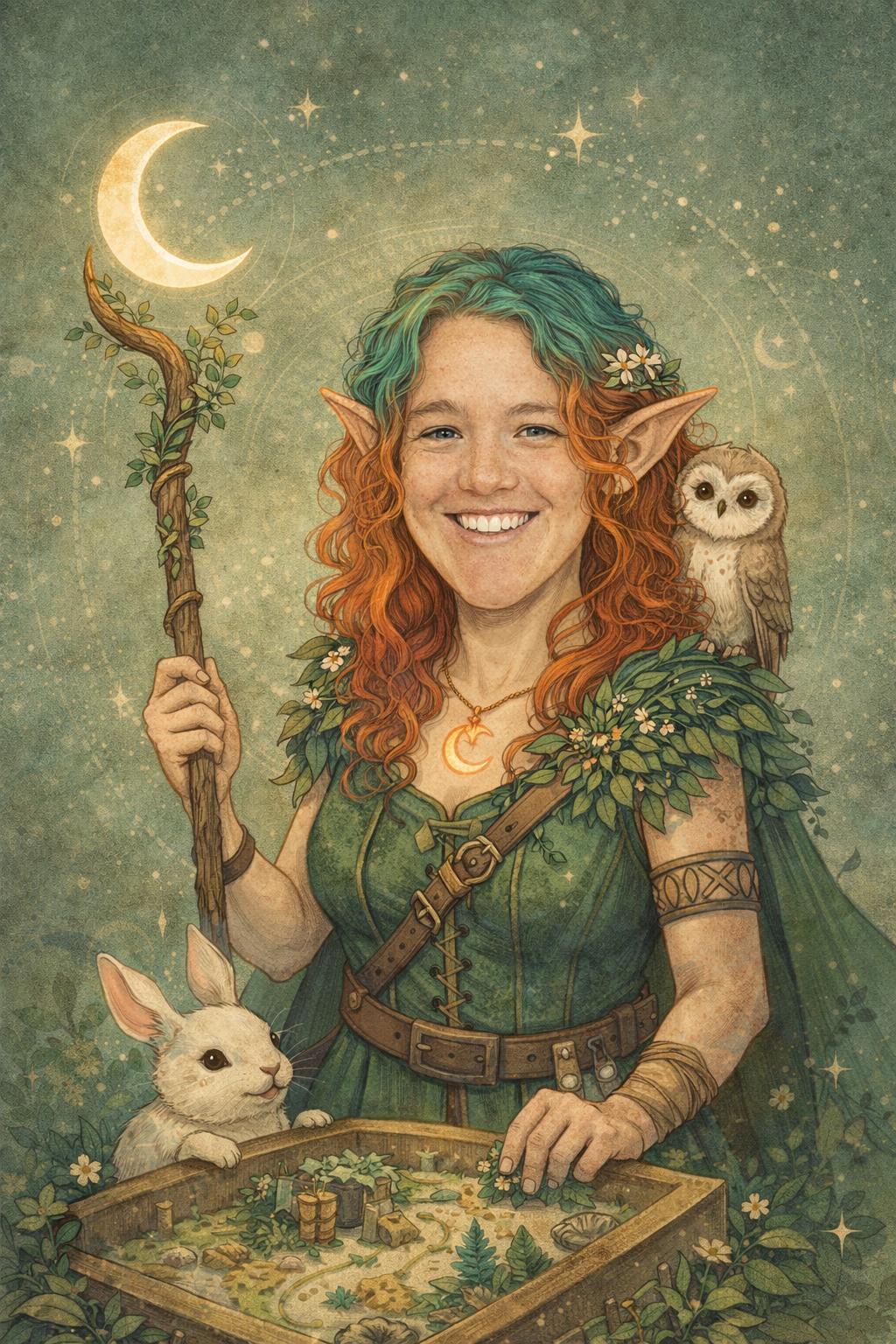
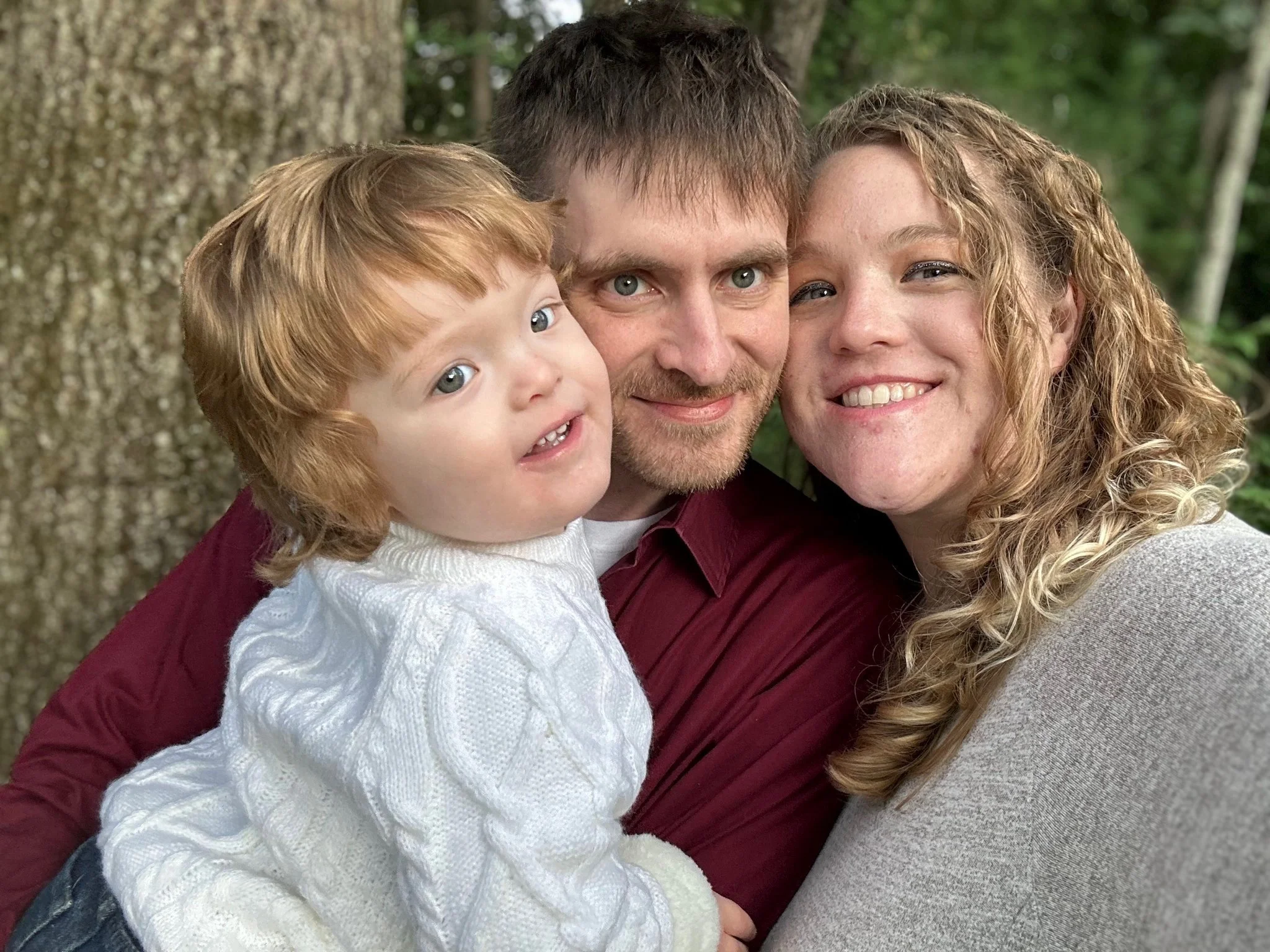
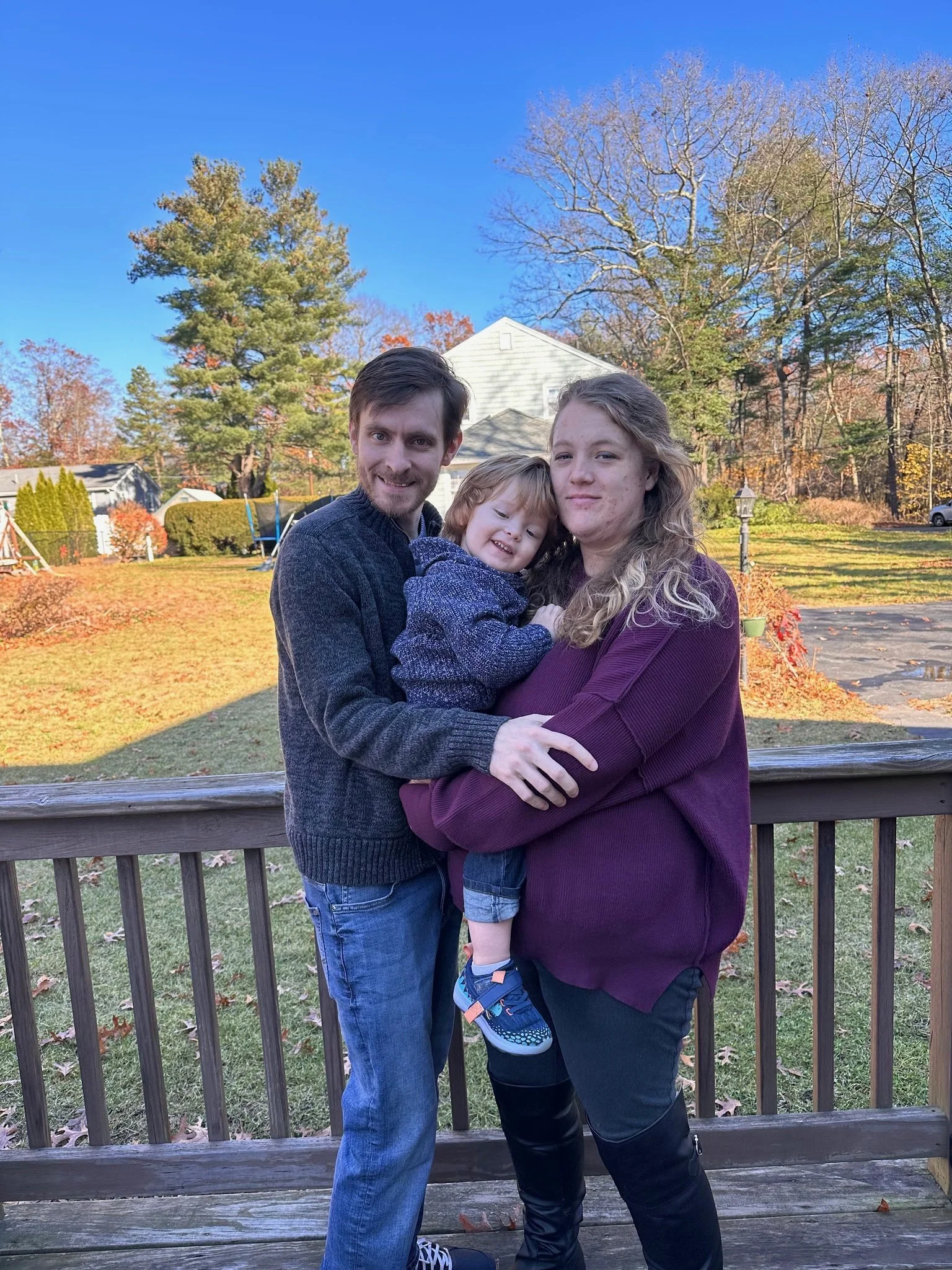
Meet Tiana
Reaching out for support takes courage, and I’m really glad you’re here.
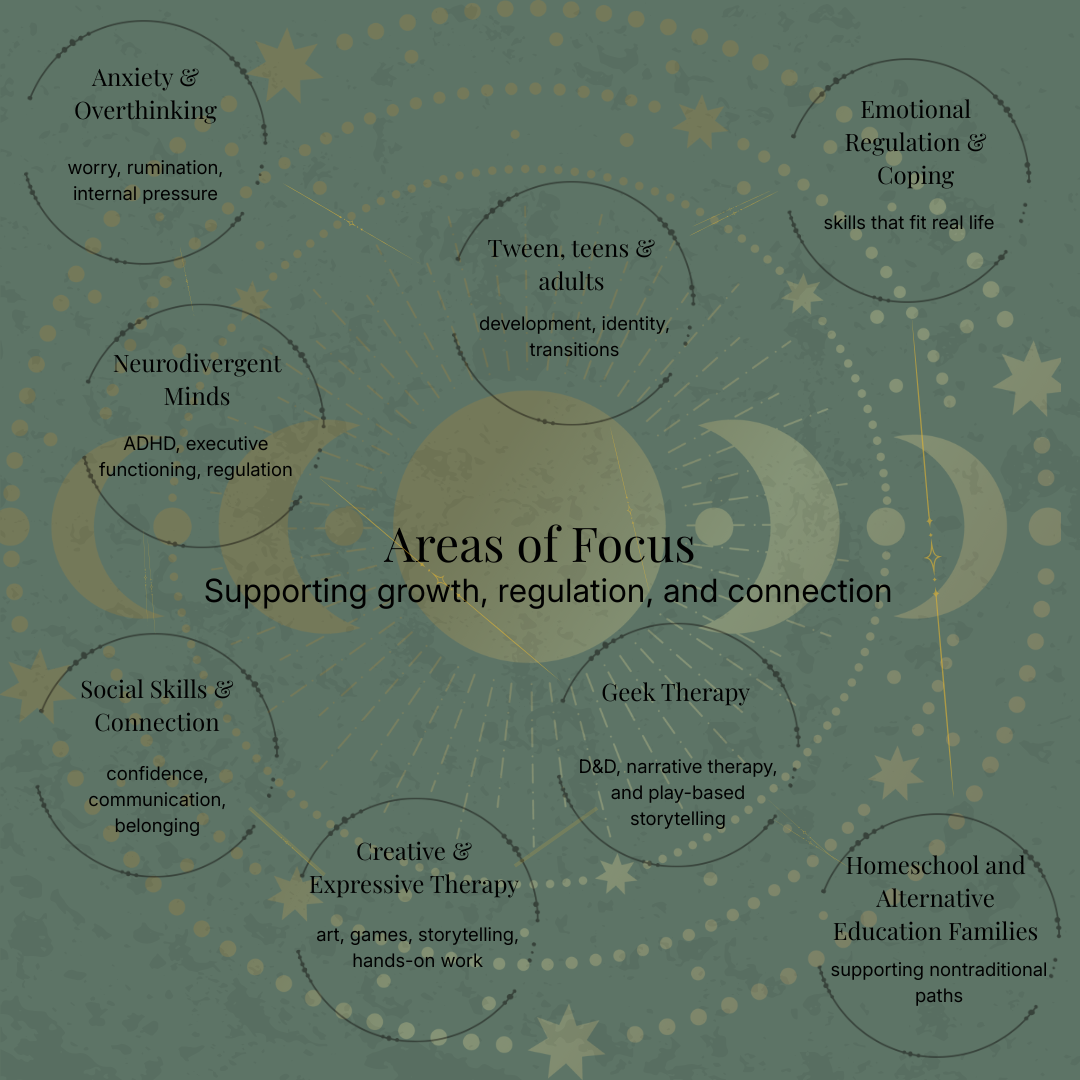
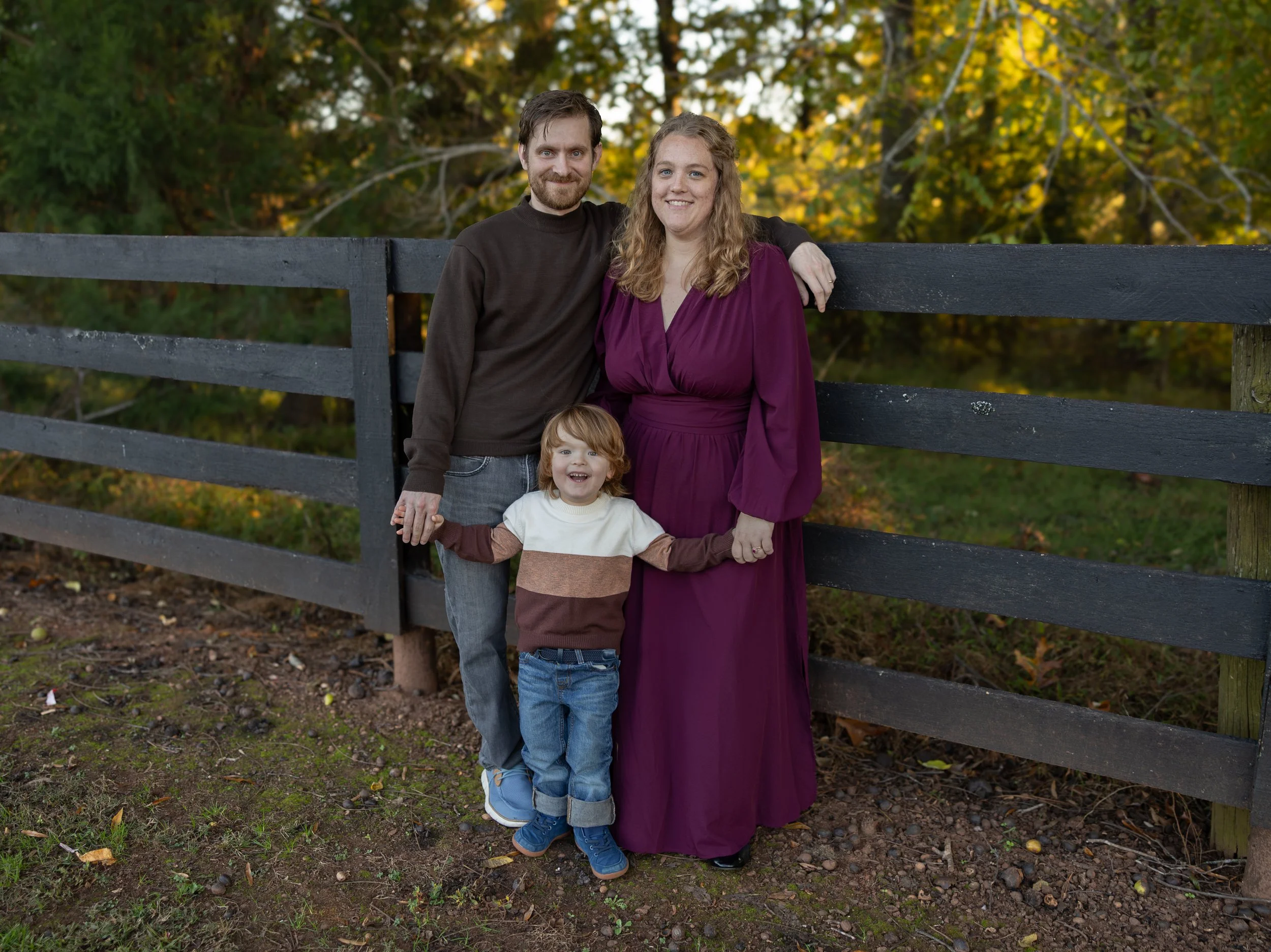
As a counseling intern at Hope Crest, I work with tweens, teens, adults, and families who are navigating stress, big emotions, life transitions, or moments of feeling stuck or disconnected. I especially enjoy supporting families and parents of neurodivergent children, helping make sense of behaviors, strengthen connection, and find approaches that feel realistic and sustainable at home. Whether you’re experiencing anxiety, depression, emotional regulation challenges, attention-related concerns, or simply feeling like something needs to shift, you don’t have to carry it alone.
My approach is rooted in person-centered care and grounded in the belief that healing happens when people feel genuinely seen, heard, and respected. I aim to create a calm, collaborative space where you can show up as you are, without judgment or pressure to have everything figured out. We move at your pace, focusing on what feels most meaningful and supportive for you.
We move at your pace, and when you feel ready, we can bring in evidence-based approaches like Cognitive Behavioral Therapy (CBT) and Dialectical Behavior Therapy (DBT) to support your goals. I also frequently incorporate creative expression into therapy, including art-based interventions, creative coping activities, video games, and role-play or tabletop-style experiences. For many people, these approaches make it easier to explore feelings in ways that feel more natural, engaging, and less heavy.
Before joining Hope Crest, I had the opportunity to support teens in an Intensive Outpatient Program, co-facilitating groups focused on emotional regulation, distress tolerance, and healthy relationships. I’ve also worked in a high school with students navigating developmental, emotional, and behavioral needs, and have experience supporting both children and adults with Autism diagnoses. These experiences have been incredibly meaningful to me and continue to shape the way I show up in therapy, with a strong commitment to trauma-informed, neurodiversity-affirming care.
I am currently completing my Master’s in Clinical Mental Health Counseling through Southern New Hampshire University. My internship will conclude on June 28th, after which there will be a short transition period while I complete licensure requirements. During that time, I will not be providing individual therapy sessions. However, I do plan to continue facilitating groups as a mental health technician and would love to stay connected in that way.
It’s a privilege to be invited into someone’s story, and I would be honored to walk alongside you or your child as you work toward greater understanding, resilience, and connection.









Frequently Asked Questions
-
Therapy with me is not one-size-fits-all. Some sessions look like talking things through, while others might include activities, creative expression, or learning new coping tools. We might explore thoughts, feelings, patterns, or situations that feel stuck.
My goal is to create a space where you feel comfortable, understood, and not judged. We go at your pace, and there’s no expectation to have everything figured out.
-
Getting started is simple, and I’m here to help guide you through it.
You can reach out in whichever way feels easiest for you:
Email: Tiana@hopecrestcounseling.com
Call or Text: 919-739-4121
Request an Appointment: https://www.hopecrestcounseling.com/appointmentsIf you’re not sure where to start, you’re also welcome to book a free 15-minute consultation. This is a great way to ask questions, share a bit about what’s going on, and see if it feels like a good fit before committing to a full session.
If you have any questions at all, feel free to reach out. I’m happy to help you figure out the next step.
-
Family sessions are a space to slow things down and understand each other better. We might work on communication, problem-solving, or navigating specific challenges together.
I help create structure so everyone has a chance to be heard, while also keeping things calm and respectful. The goal isn’t to “take sides,” but to strengthen connection and find ways forward that work for everyone.
-
Session length and frequency can vary depending on age, needs, and what feels like the best fit for your child and family.
For younger children (5 and under):
Sessions typically start at 25 minutes weekly. We can adjust over time as needed. Parent sessions are either weekly or every other week to support carryover at home.For children ages 6–12:
Sessions are usually either 30 minutes or 55 minutes weekly, depending on the child. Parent sessions are typically held twice per month.For teens (13+):
Sessions are typically 55 minutes weekly, with parent check-ins at least once a month.Virtual sessions:
I offer virtual sessions for kids and teens on a case-by-case basis, typically starting around age 12 depending on readiness and engagement level.Family (and couples) sessions:
Family sessions are typically 55 minutes and occur weekly or every other week. At times, we may use alternate weeks or occasional sessions to meet individually with family members. This helps gather additional insight and supports more productive and connected family sessions moving forward. -
Not at all. Therapy isn’t just for crisis or when things feel really heavy.
In my work, I often support kids, teens, and families with everyday challenges like big emotions, friendships, transitions, or moments where something just feels a little off. Therapy can also be a space for growth, understanding, and building skills, not just fixing problems.
You don’t have to wait for things to get worse to reach out. Sometimes starting earlier actually makes things feel easier and more manageable.
-
This depends on your child’s needs, comfort level, and what you’re hoping to work on.
Group therapy can be a great fit for kids and teens who would benefit from practicing social skills, building confidence, learning from peers, and realizing they’re not alone. It can feel more natural and engaging, especially for kids who enjoy being around others. Group can also be a really beneficial addition to individual therapy, or even a strong starting point on its own depending on your child.
Individual therapy can be helpful when a child needs more one-on-one support, is working through more personal or complex challenges, or may feel overwhelmed in a group setting at first.
In many cases, a combination of both can be really effective. Some kids start in individual sessions to build comfort and then transition into a group, while others begin in group and add individual support as needed.
If you’re unsure, I’m always happy to talk it through with you and help figure out what would feel like the best starting point for your child.
-
You are such an important part of your child’s support system. One of the most helpful things you can do is stay curious, patient, and open, even when things feel confusing or frustrating.
I often encourage parents to focus on connection before correction, assume the best possible reason for behaviors, and remember that kids’ brains are still developing. Knowing what to do doesn’t always mean they can do it in the moment.
I’m always happy to collaborate with parents, offer guidance, and adjust strategies so they feel realistic and doable for your family.
If you’re looking for additional support, I highly recommend Jillian’s parent group, which offers a space to learn, ask questions, and connect with other parents:
https://www.hopecrestcounseling.com/new-pageYou can also check out our parent resource page for tools, information, and ongoing support:
https://www.hopecrestcounseling.com/parent-page -
A good fit often comes down to feeling safe, heard, and respected. You don’t have to “click” right away, but there should be a sense that this is a space where you can be yourself.
If you’re unsure, that’s completely okay. The first few sessions are a chance for us to get to know each other and see if it feels like a good match. If it doesn’t, I’m always happy to help connect you with someone who might be a better fit.
-
Therapy with kids and teens often looks different than adult therapy. Depending on age and comfort level, sessions may include games, art, creative activities, or conversation.
I focus on building trust first. From there, we work on understanding emotions, building coping skills, and helping them feel more confident navigating their world.
Parents are an important part of this process. At the start, parents complete their portion of the intake separately so kids can have their own space without feeling like they’re being talked about in front of them. I also meet with parents at least once a month to check in, share insights, and support what’s happening at home. Sometimes, if the child is open to it, we may invite a parent into session to practice skills together.
I believe therapy works best when everyone is growing together. While your child is doing their work, I also ask parents to reflect, learn, and try new approaches at home. I often recommend Jillian’s parent group when available, as it can be a really supportive space to build skills and feel less alone in the process.
-
This is really common. Many kids and teens feel unsure, nervous, or even resistant at first, especially if therapy wasn’t their idea.
I don’t force kids to open up before they’re ready. Instead, I focus on building comfort and trust first. Sometimes that looks like talking, sometimes it looks like playing a game, drawing, or just getting used to the space.
Over time, most kids begin to feel more comfortable and willing to engage when they realize this is a place where they’re not judged or pressured.
Your role as a parent is important here too. Gentle encouragement, staying consistent, and framing therapy as support rather than punishment can make a big difference.
If your child is really struggling to engage, we can also adjust our approach together and find what works best for them.
-
Yes, I can provide diagnoses and clinical assessments as part of the therapy process. Common diagnoses I work with include anxiety, depression, trauma-related concerns (like PTSD), and OCD.
I can also screen for concerns like ADHD and Autism. However, for formal evaluations or more in-depth testing for ADHD or Autism, I typically refer out to specialists who focus specifically on those assessments.
If at any point I think an additional evaluation could be helpful, I’ll talk that through with you and help guide you toward the right resources.
What is Geek Therapy?

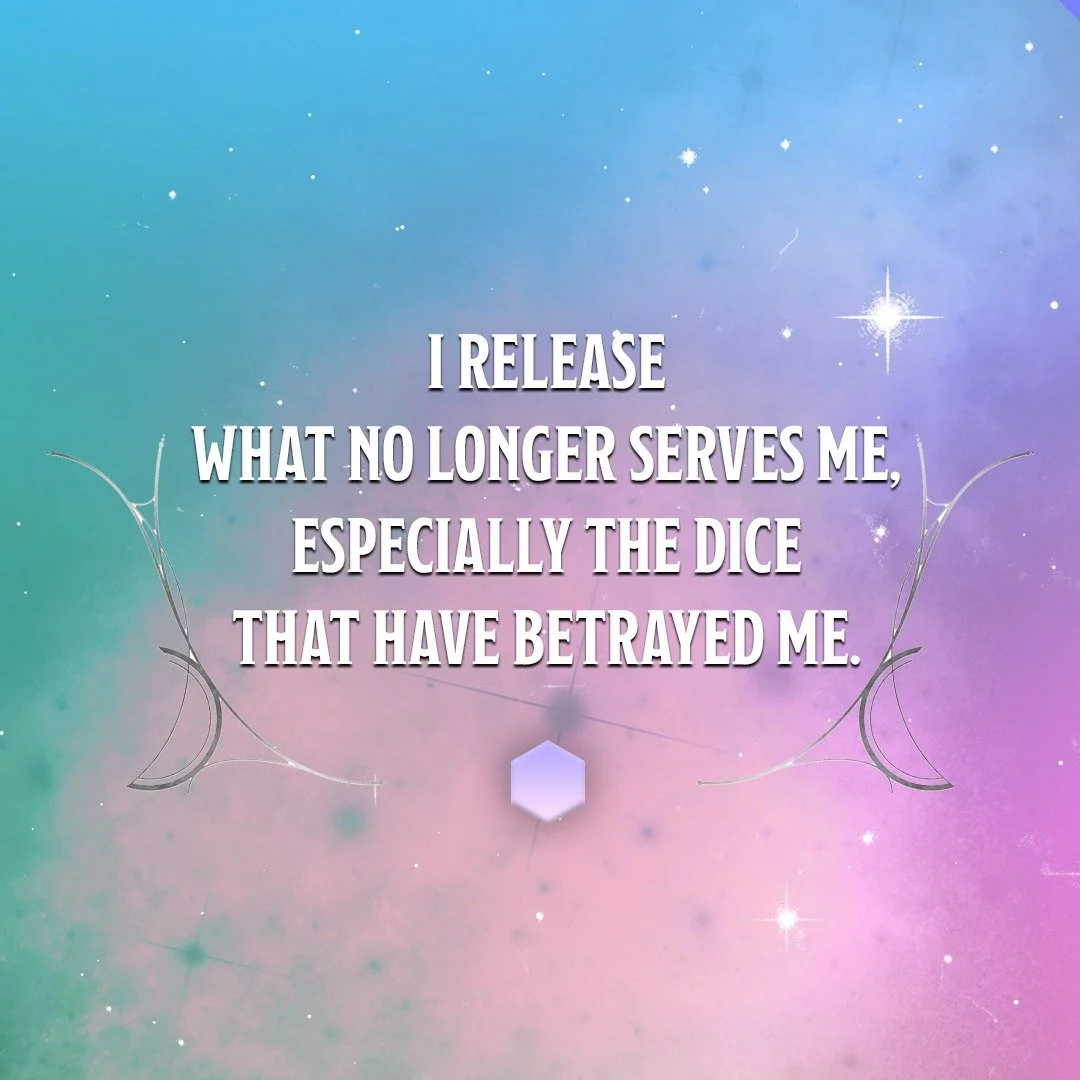
Geek Therapy is a creative, strengths-based approach that uses games, storytelling, and imaginative worlds as meaningful tools for emotional growth and connection. Many kids and teens communicate best through play, stories, and shared interests rather than traditional talk therapy. Geek Therapy meets them there.
Using elements like Dungeons and Dragons–style role-play, narrative therapy, and game-based activities, sessions create space to explore emotions, identity, relationships, and problem-solving in ways that feel engaging, safe, and accessible. Characters, quests, and imagined worlds often make it easier to practice skills like emotional regulation, perspective-taking, communication, and confidence building without the pressure of direct self-disclosure.
Geek Therapy is especially supportive for neurodivergent clients, creative thinkers, and those who feel overwhelmed, misunderstood, or disconnected in more traditional settings. While sessions may feel playful on the surface, the work underneath is intentional, therapeutic, and grounded in evidence-based practice.
At its core, Geek Therapy is about connection, empowerment, and helping clients discover their own strengths by using the worlds and stories they already love.

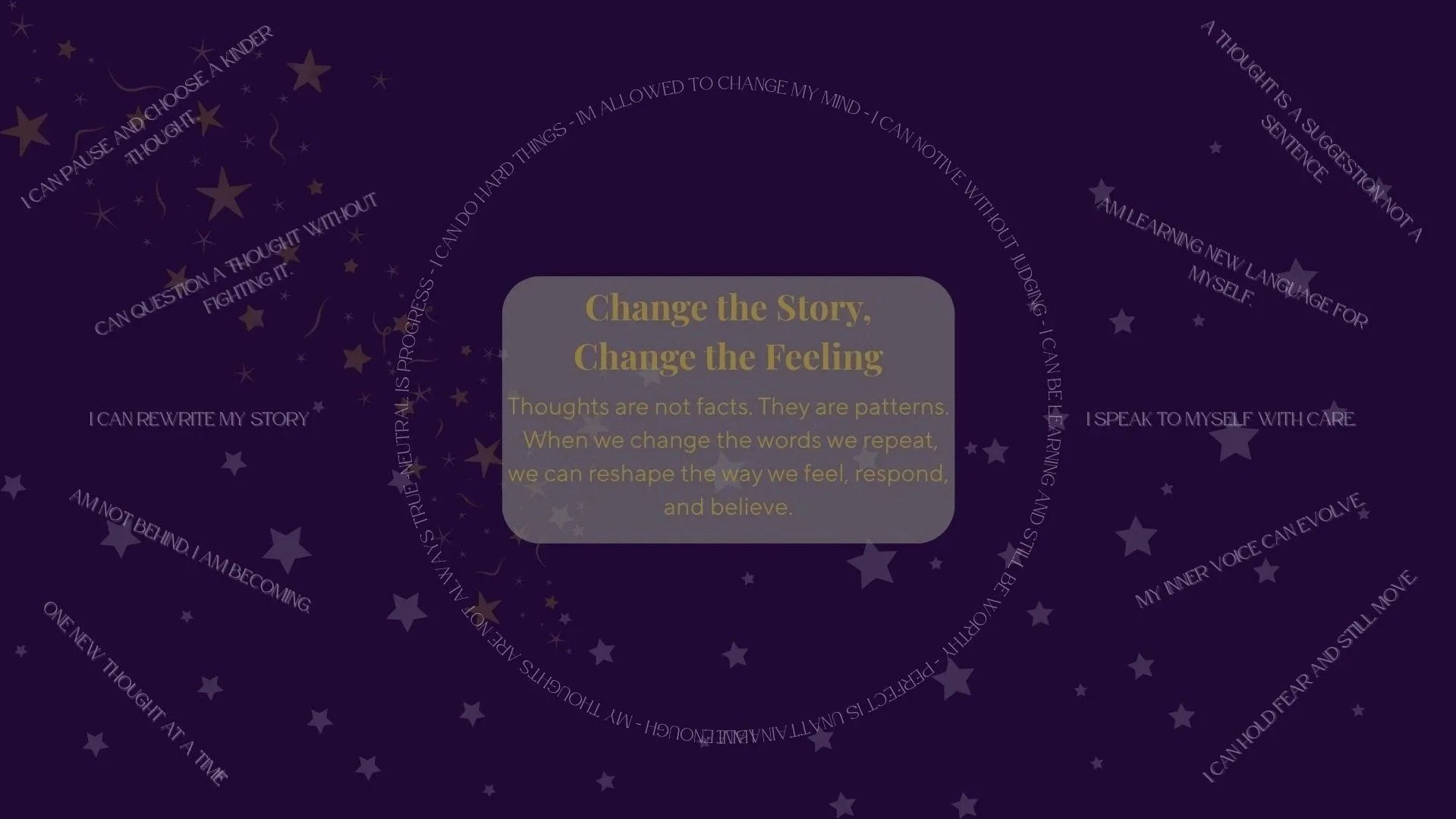


How I use Creative Expression in Sessions…
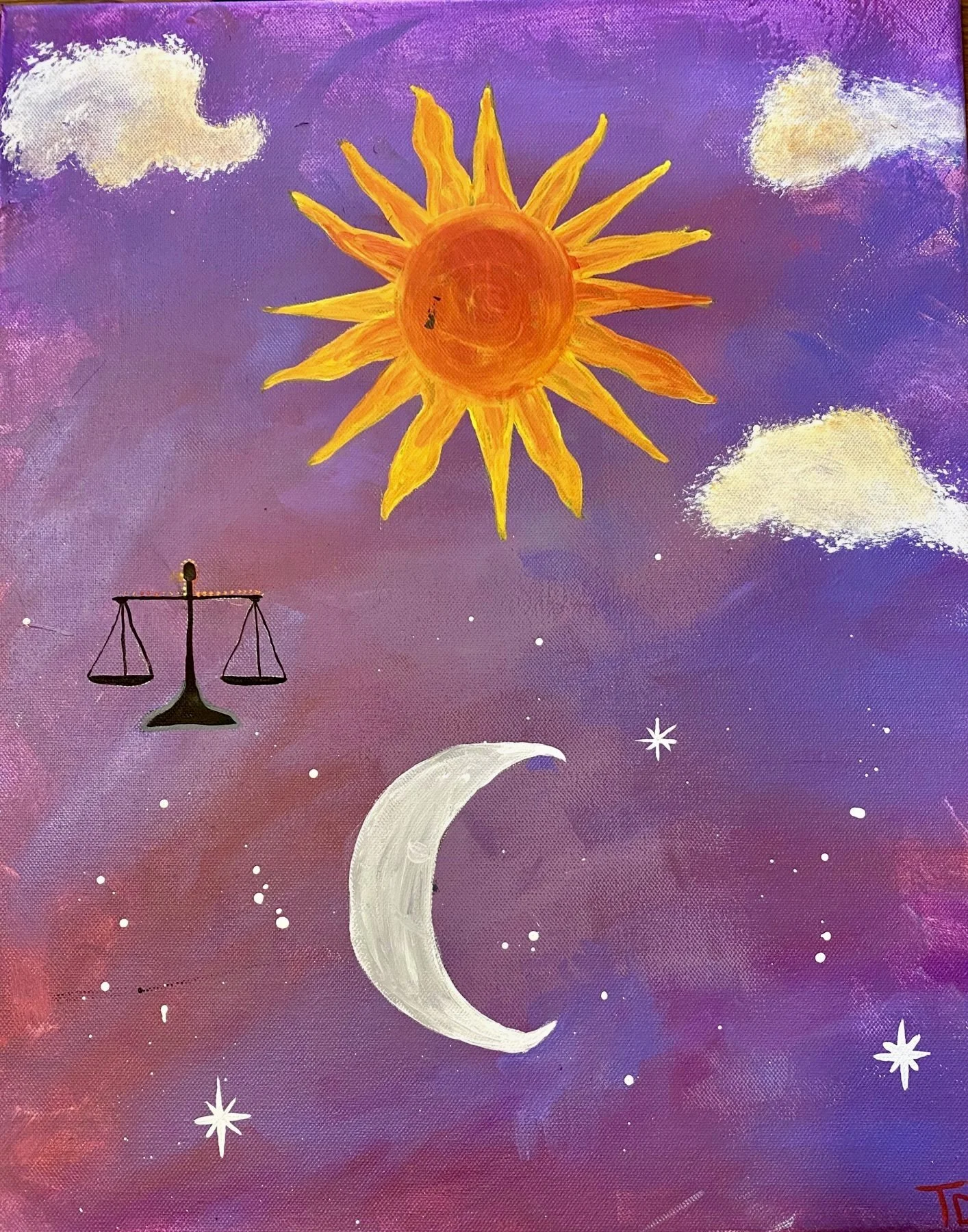
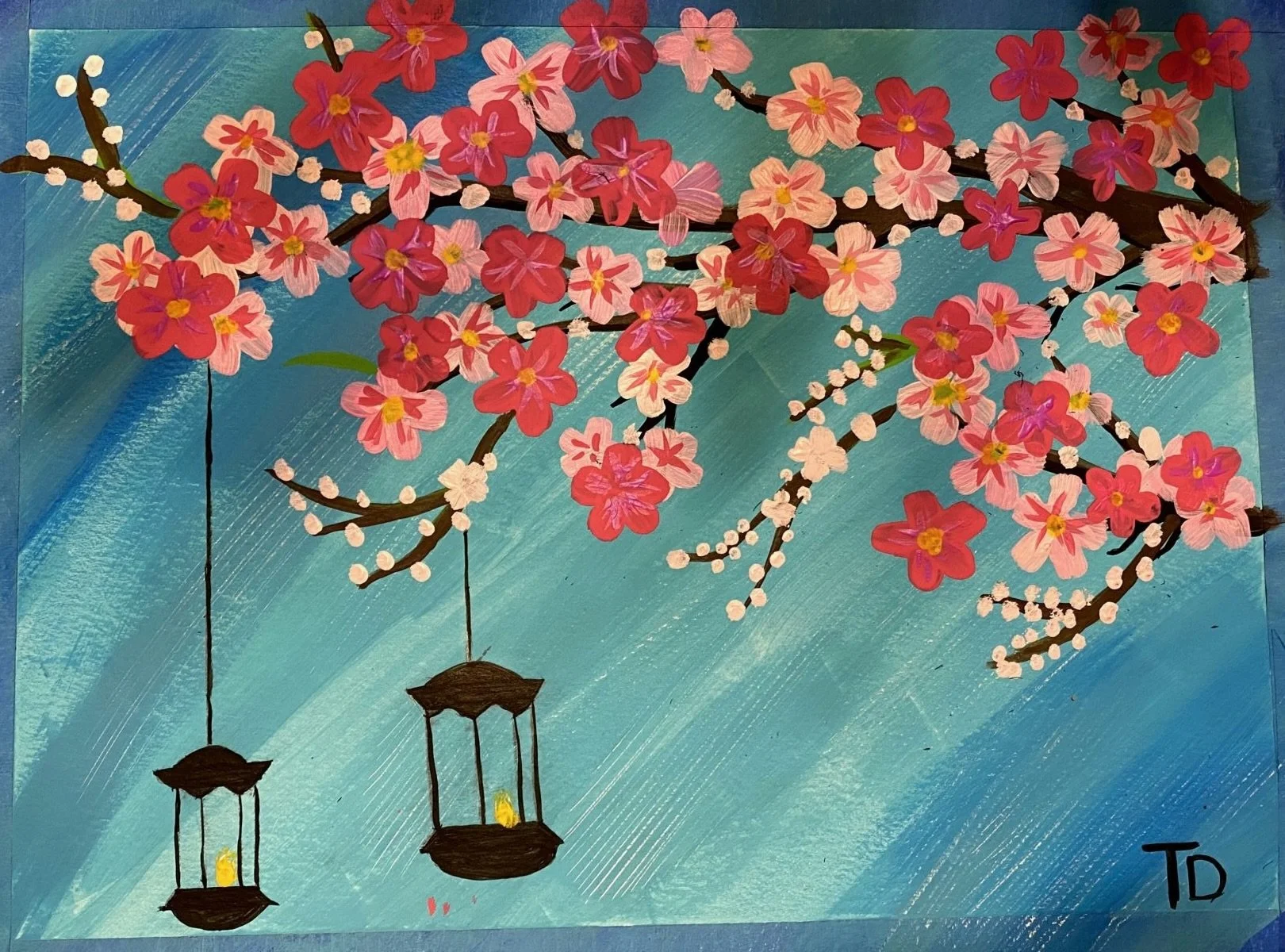
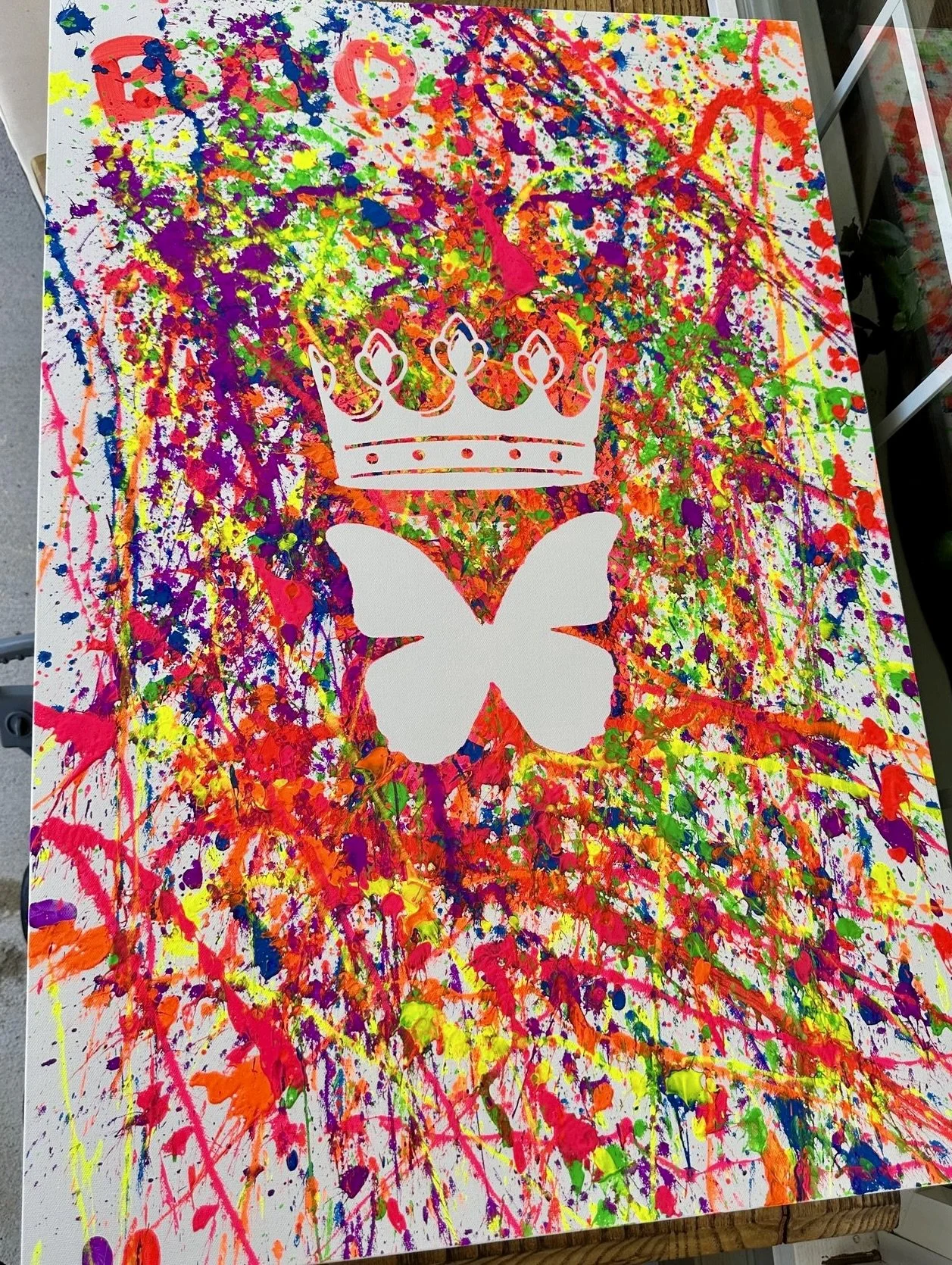
Creative expression is a core part of how I work, especially for clients who find it hard to put their inner experience into words. Art, play, storytelling, and hands-on activities offer another way in, one that feels safer, more natural, and often more honest than conversation alone.
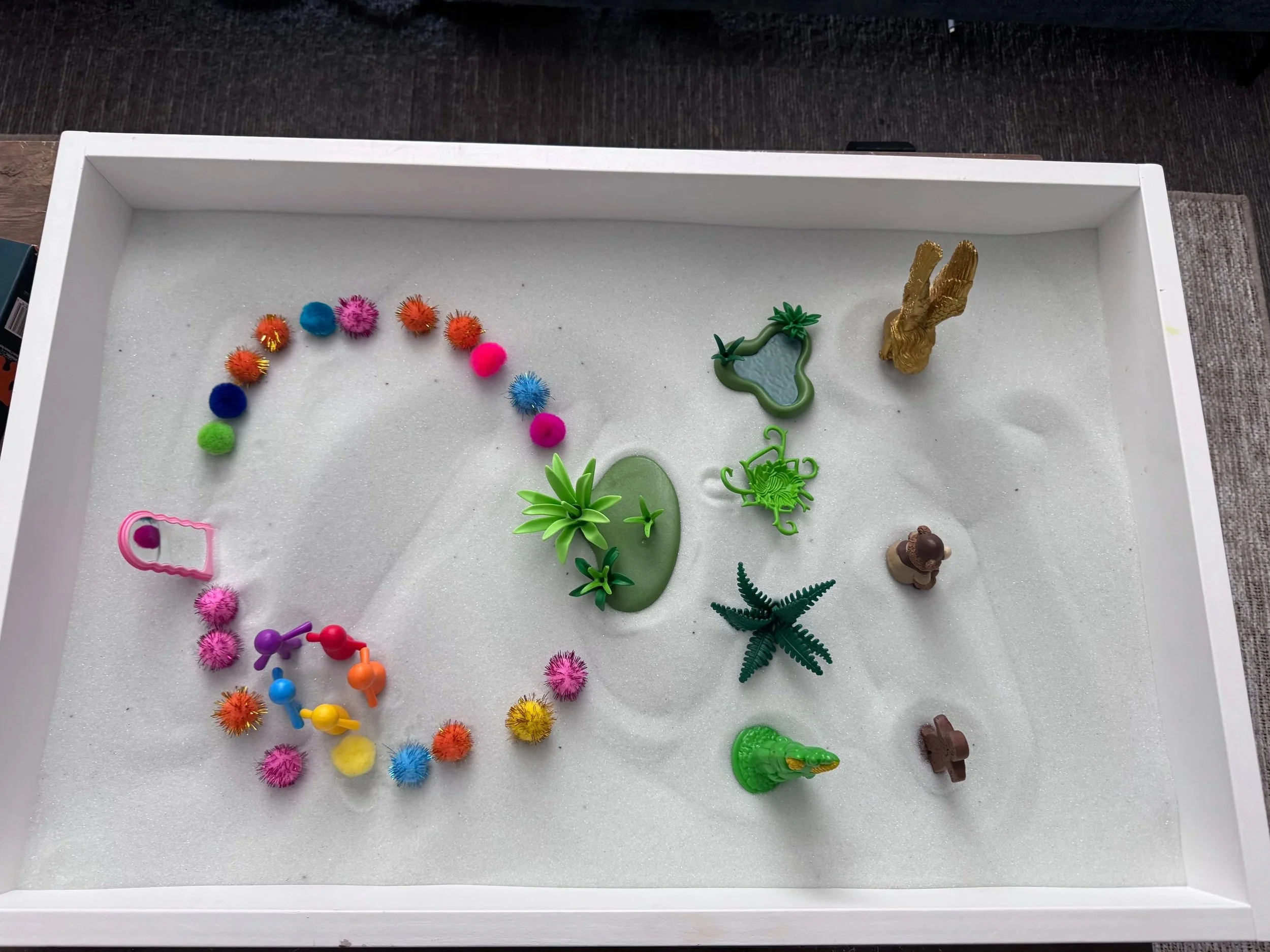
Through tools like role-play, collaborative games, creative writing, visual art, and working with materials like Play-Doh or sand, clients are invited to explore emotions, patterns, and strengths in a way that feels engaging rather than overwhelming. These approaches can lower pressure, increase emotional safety, and make space for insight and regulation to emerge organically.
Sometimes that looks like externalizing anxiety through art, practicing new ways of responding through story or role-play, or giving shape to feelings that feel too big or too unclear to name. Creative work allows therapy to be both meaningful and accessible, especially for children, teens, neurodivergent clients, and anyone who benefits from learning and processing beyond traditional talk therapy.

















What Sets Us Apart?
People-First Approach
Everything we do is built around understanding your needs and helping you succeed—because when you thrive, so do we.
Long-Term Relationships
We’re not just here for the now. We love creating lasting relationships with our clients and growing with them over time.
Proven Process, Flexible Execution
We bring structure where it counts and adaptability where it matters. Our methods are clear, but always responsive.