
are you who you want to be?
Jillian O. Lorek, LCMHC
Founder • Clinical Director • Therapist

I could not be happier that you are HERE.
I know it may have taken everything just to get this far—to search for a therapist, read through page after page, and wonder if someone might actually understand what you or your family are going through.
You don't have to know exactly what to say.
Maybe you've been thinking about therapy for months. Maybe you're worried your child won't talk. Maybe you've tried therapy before and it didn't quite fit. Or maybe you simply know that something needs to change, even if you can't put your finger on exactly what.
You don't have to have it all figured out before reaching out.
Just a few more baby steps, and we can shoulder this together.
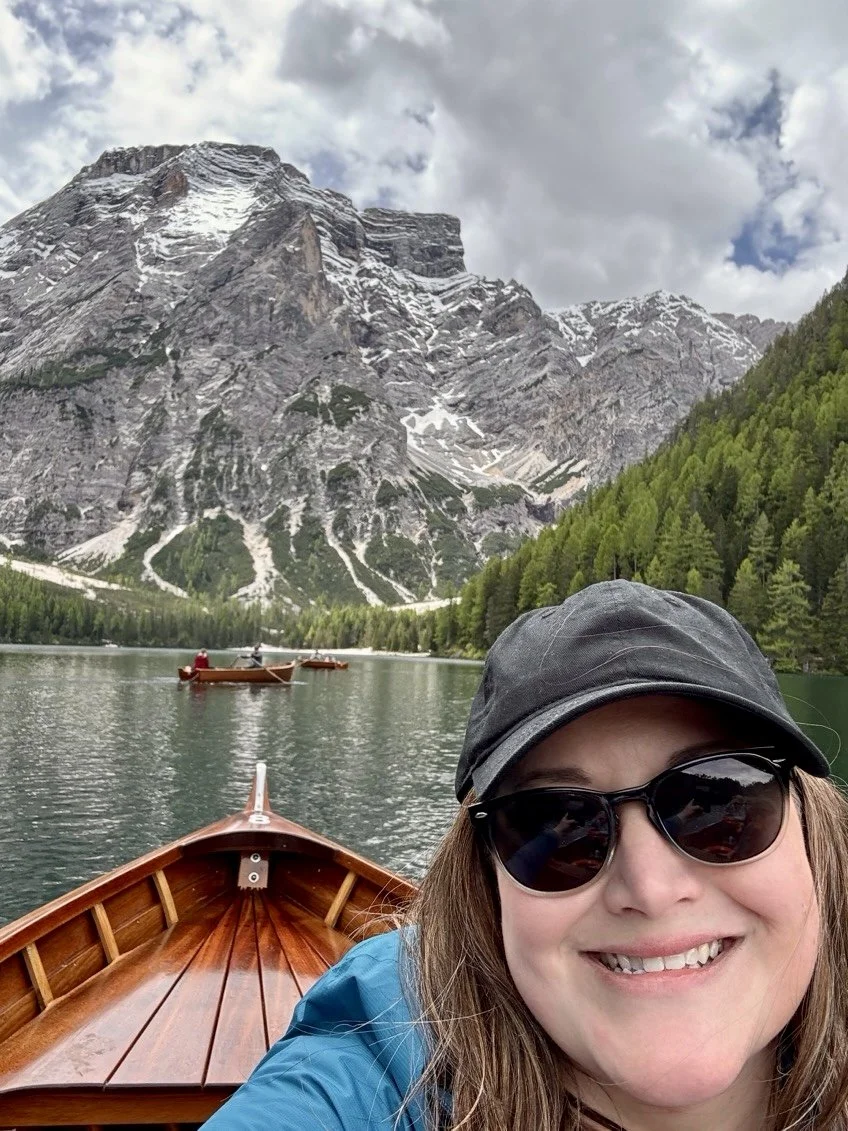
Hey there…
As the founder of Hope Crest Counseling, I believe healing begins with feeling truly seen, heard, and valued.
My approach is warm, collaborative, creative, and deeply person-centered. I don't believe therapy is about fixing what is "wrong" with you or becoming someone entirely new. I believe it's about understanding yourself more deeply, making sense of what you've lived through, and finding your way back to greater connection, wholeness, and personal power.
Whether I'm sitting on the floor with a young child, working creatively with a teen who is tired of being asked "How does that make you feel?", or helping an adult understand patterns they've carried for years, I meet each person where they are.
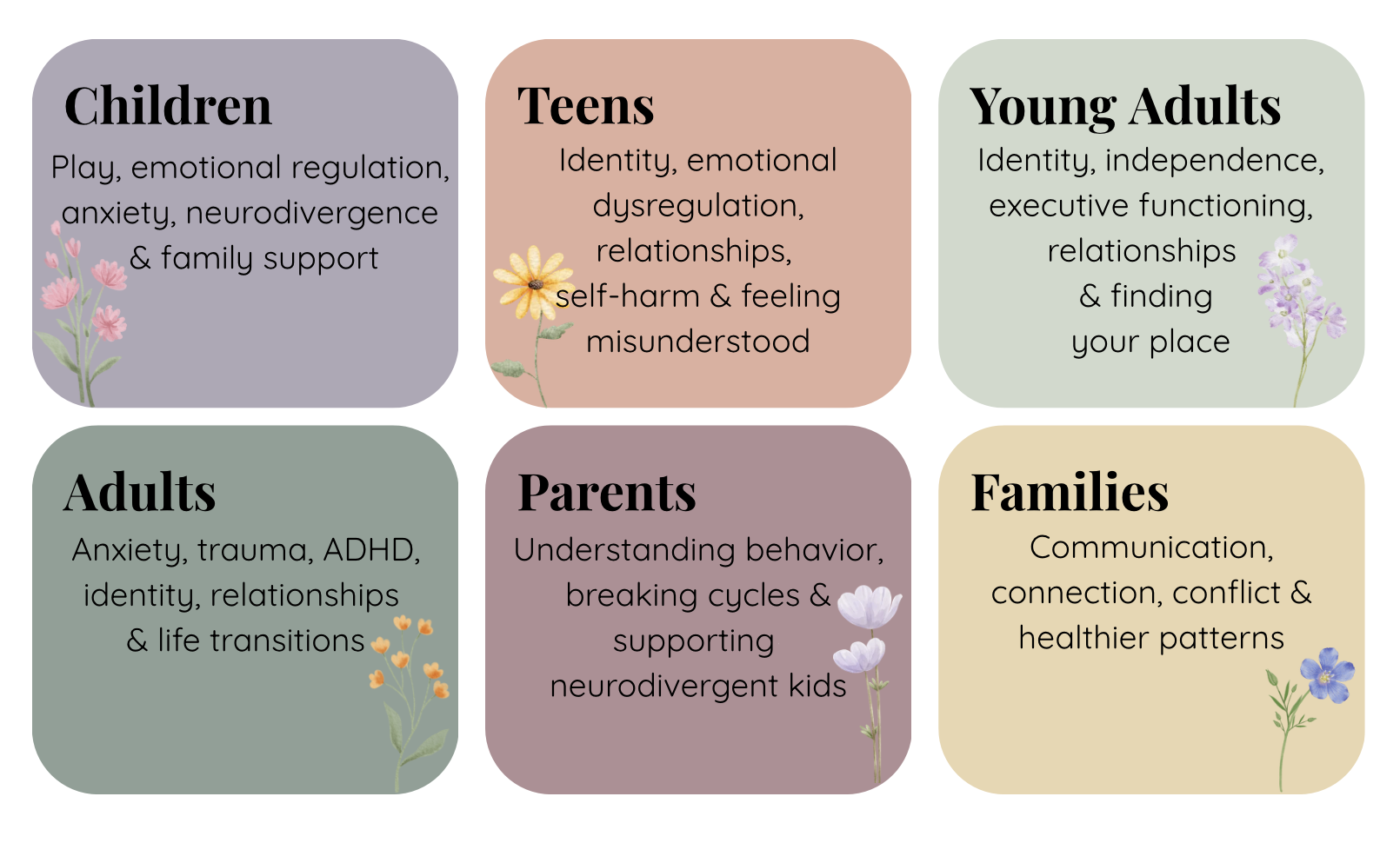
Who I Work With…
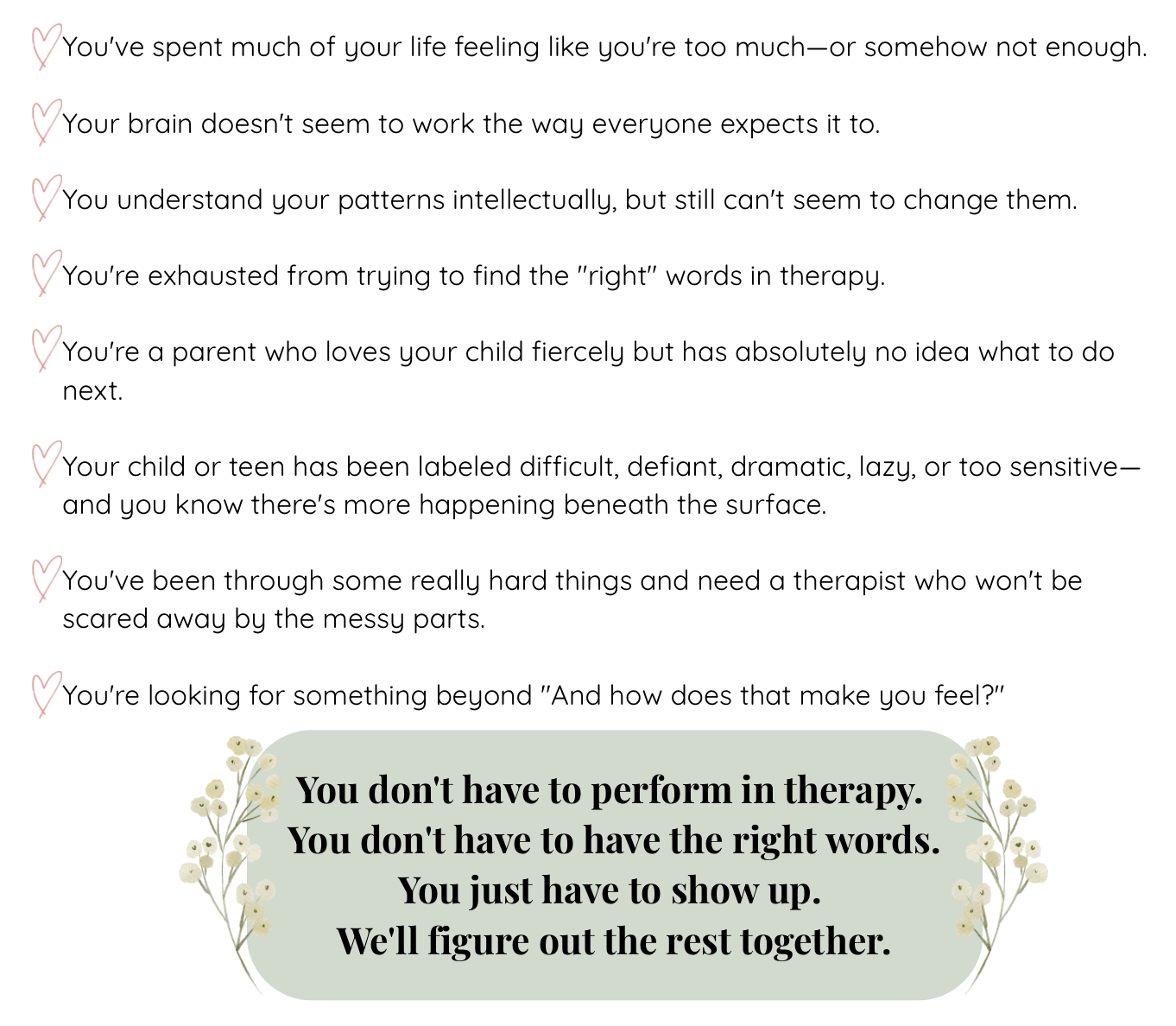
You might be my kind of client if…
In session with me…
Therapy with me isn't one-size-fits-all—and it probably won't always look like traditional talk therapy.
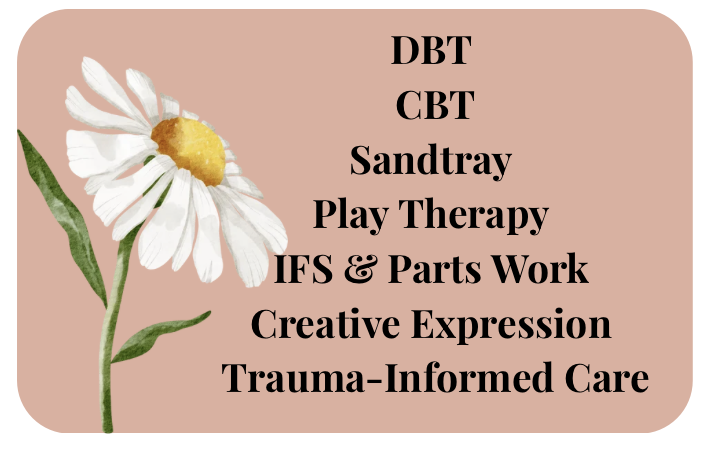
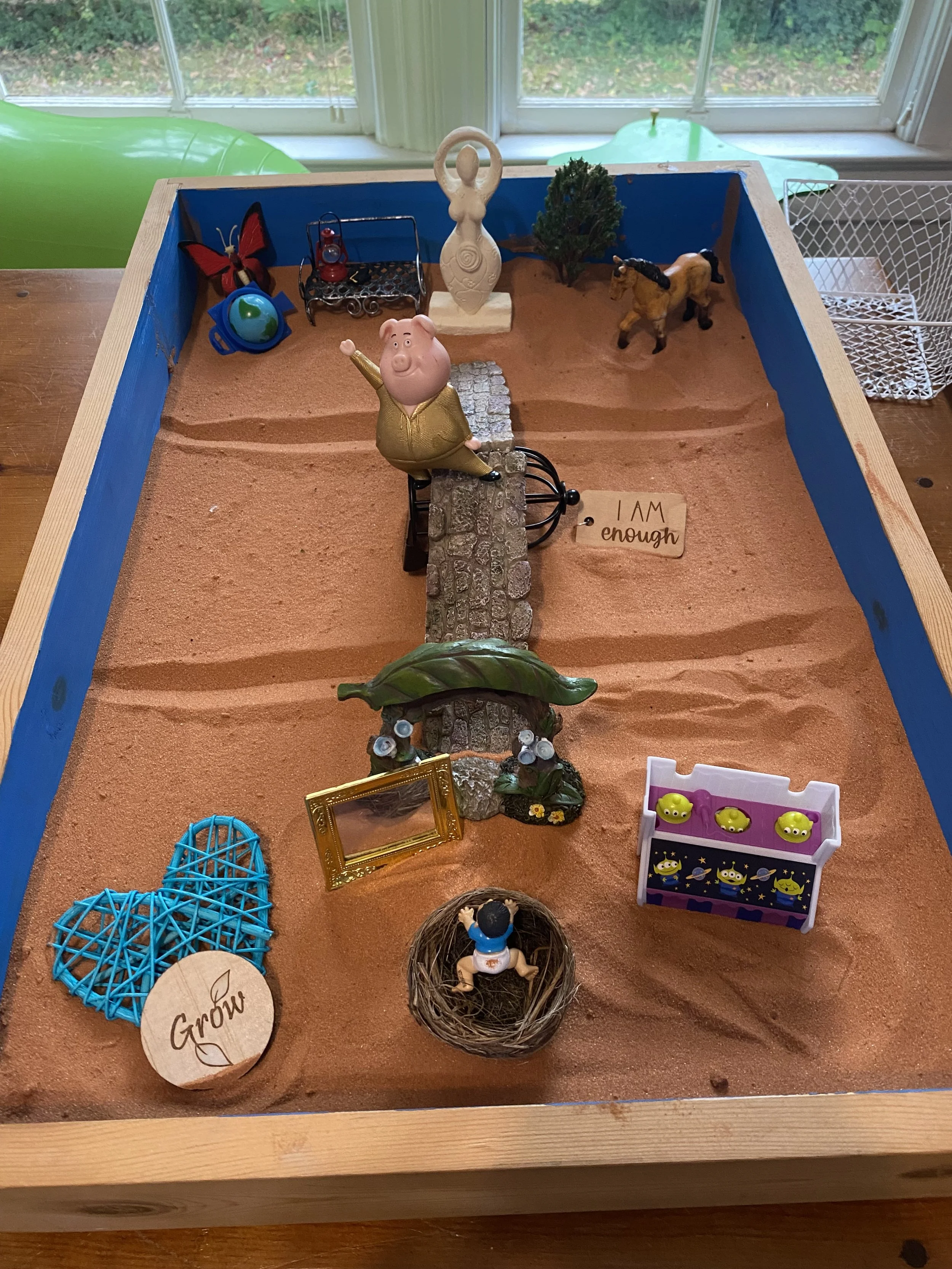
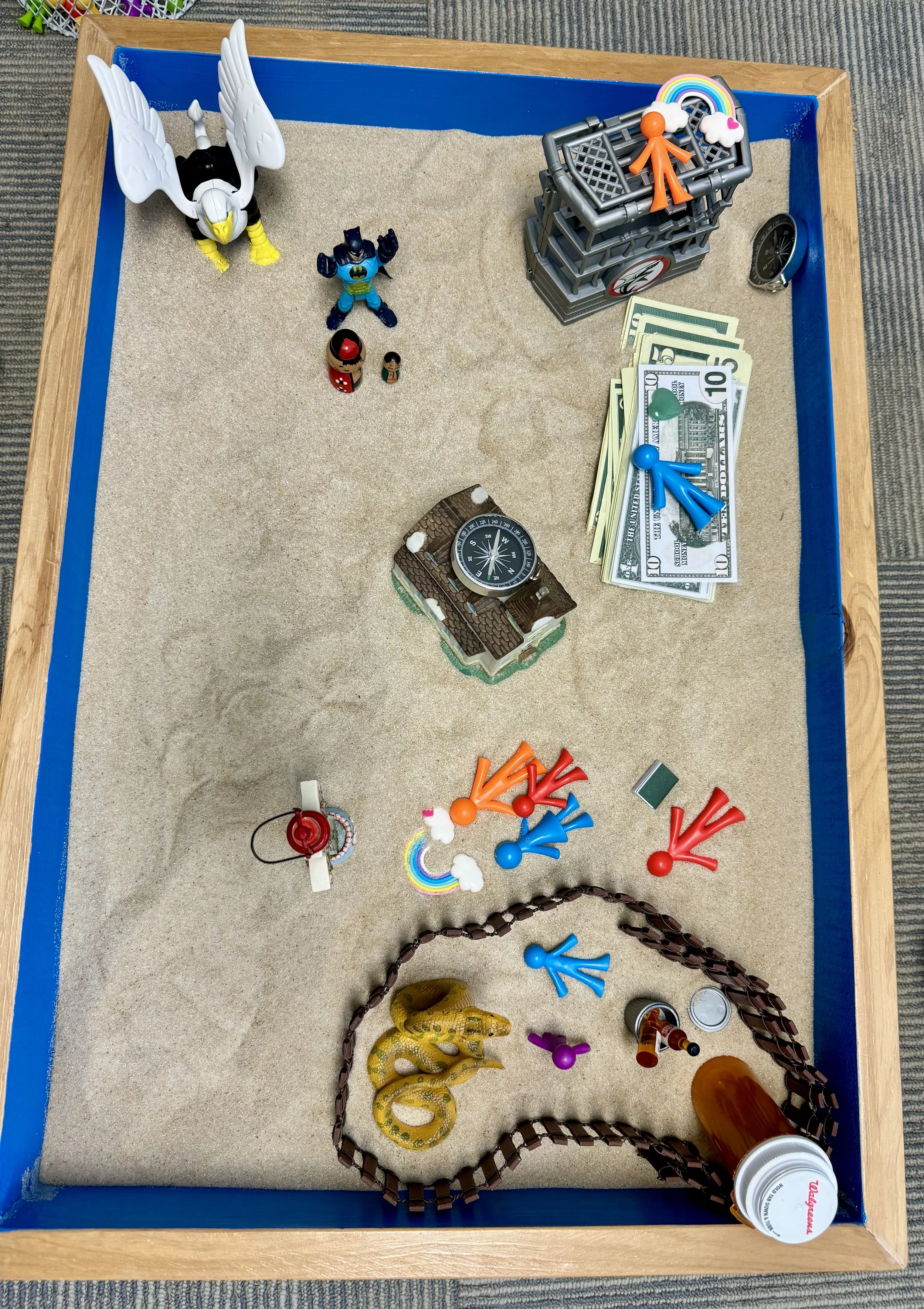
We might use a sandtray when there aren't words for something yet. We might externalize anxiety through art, map out the different parts of yourself, practice a difficult conversation through role play, challenge an automatic thought, build practical skills for emotional regulation, or simply sit together in the messy reality of something that doesn't have an easy answer.
My work follows a regulation first → insight → integration → behavior change model. Before we can expect meaningful change, we first need to understand what your nervous system, emotions, experiences, and protective patterns are trying to communicate.

My approach to therapy…
YOU are the expert on your own experience. My role isn't to sit across from you with all the answers or tell you who you should become.
My role is to be curious with you, challenge you when needed, help you notice patterns that may be difficult to see from the inside, and offer practical tools for moving forward.
I adapt therapy to the person in front of me—not the person to the therapy.
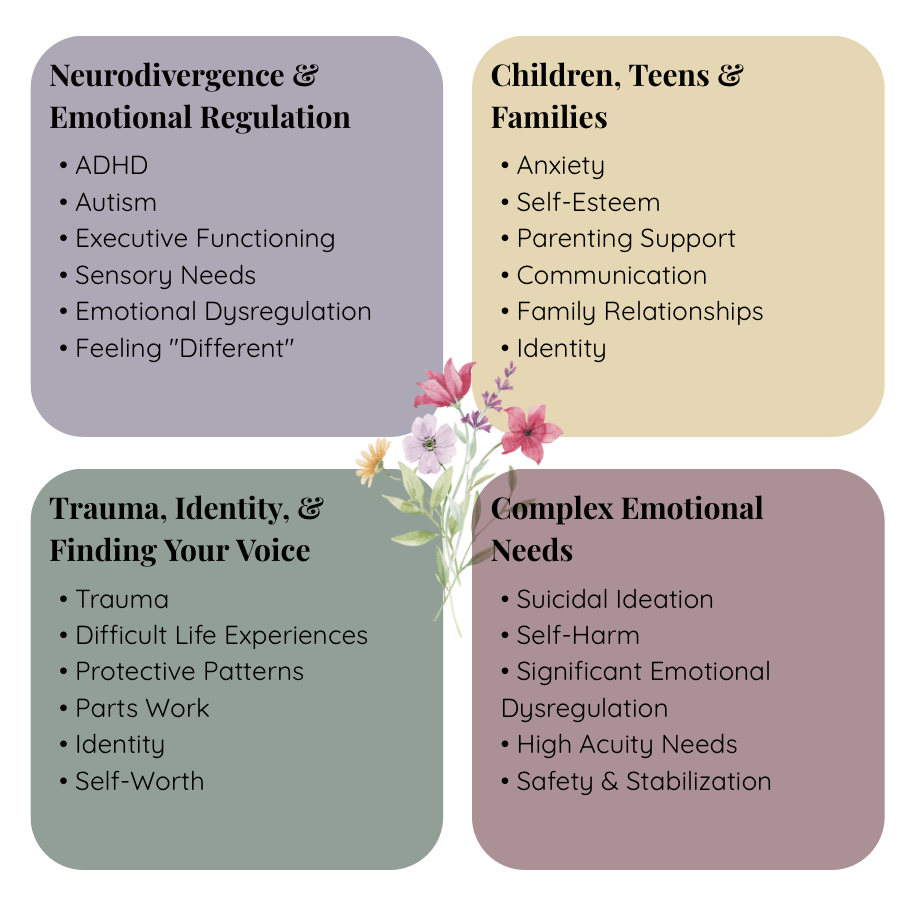
Areas of focus…
My Journey to Counseling
23+ Years Supporting Children & Families
Before becoming a therapist, I spent more than two decades working in early childhood and alongside children, parents, and families. Those experiences continue to shape how I understand development, behavior, attachment, family systems, and the importance of looking beyond what we see on the surface.
Advocacy & Complex Family Systems
My previous experience as a Guardian ad Litem strengthened my commitment to advocacy and gave me valuable insight into the complex systems that affect children and families.
Adolescent Intensive Outpatient Care
As a former lead therapist in an Adolescent Intensive Outpatient Program, I gained extensive experience working with teens and families navigating significant emotional distress, suicidal ideation, self-harm, mood dysregulation, and other complex mental health needs.
Founder, Clinical Director & Mentor
Today, in addition to my clinical work, I am passionate about mentoring developing clinicians, creating innovative therapeutic groups and programs, supporting parents, and building spaces where people can experience genuine connection and belonging.
When words aren’t enough…
Creative expression is woven throughout my work as a way to help clients access emotions, stories, experiences, and strengths that may not surface through conversation alone.
Depending on the person, we may use:
Sandtray • Art • Collage • Role Play • Writing • Play-Doh • Miniatures • Metaphor • Storytelling • Experiential Activities
These approaches can reduce pressure, increase emotional safety, and create new pathways for insight, regulation, and healing.

Sandtray Therapy
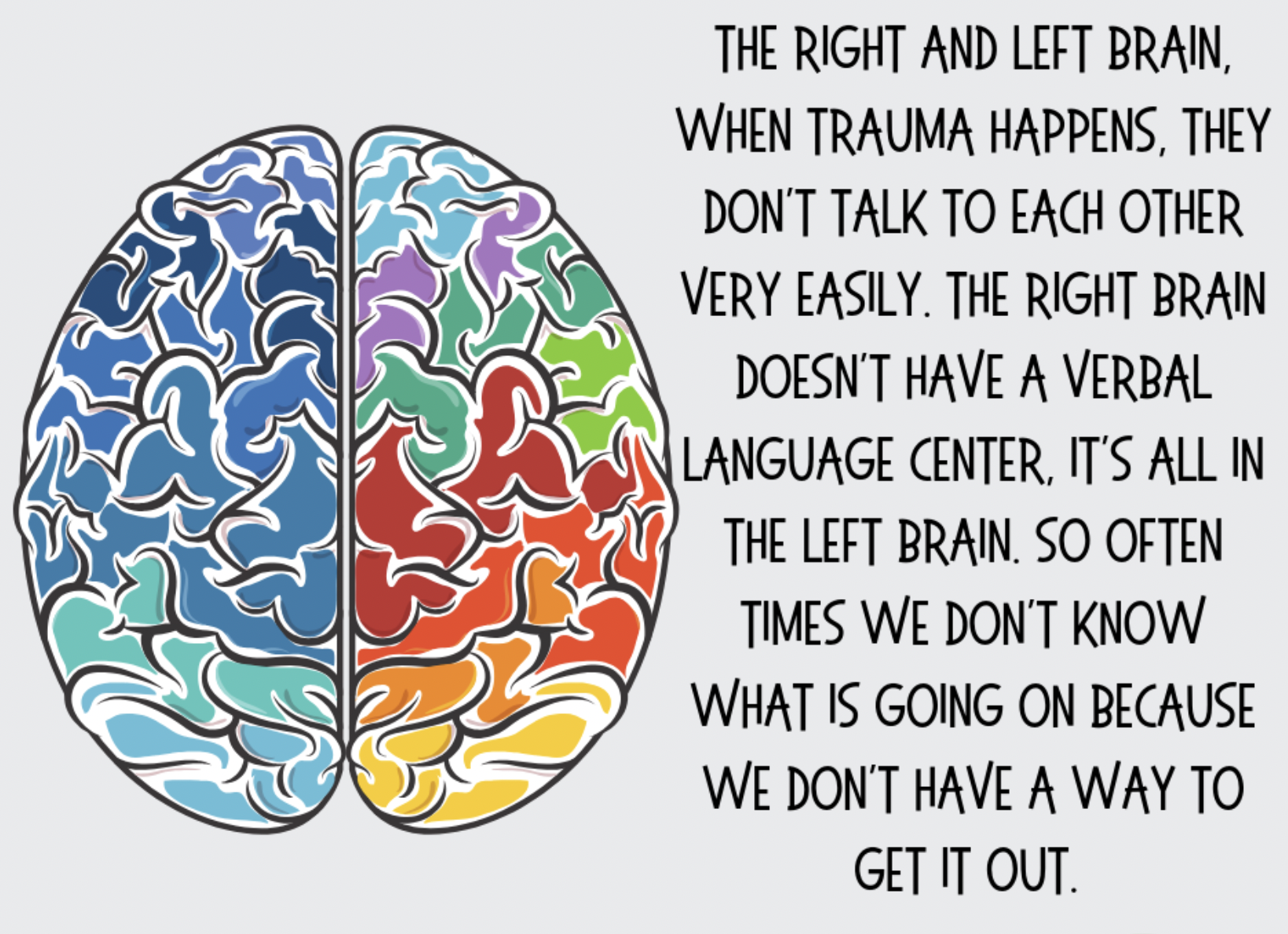
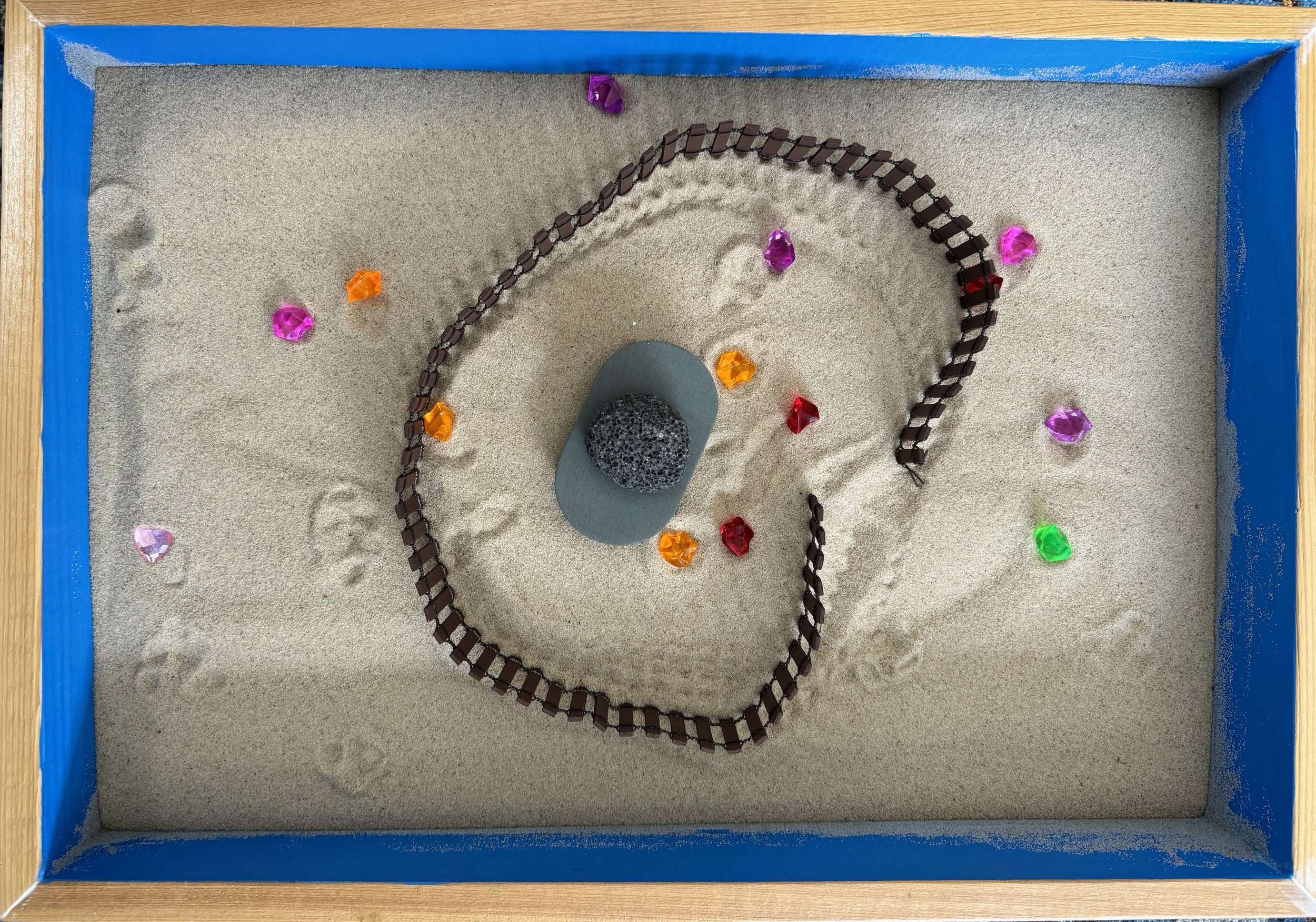
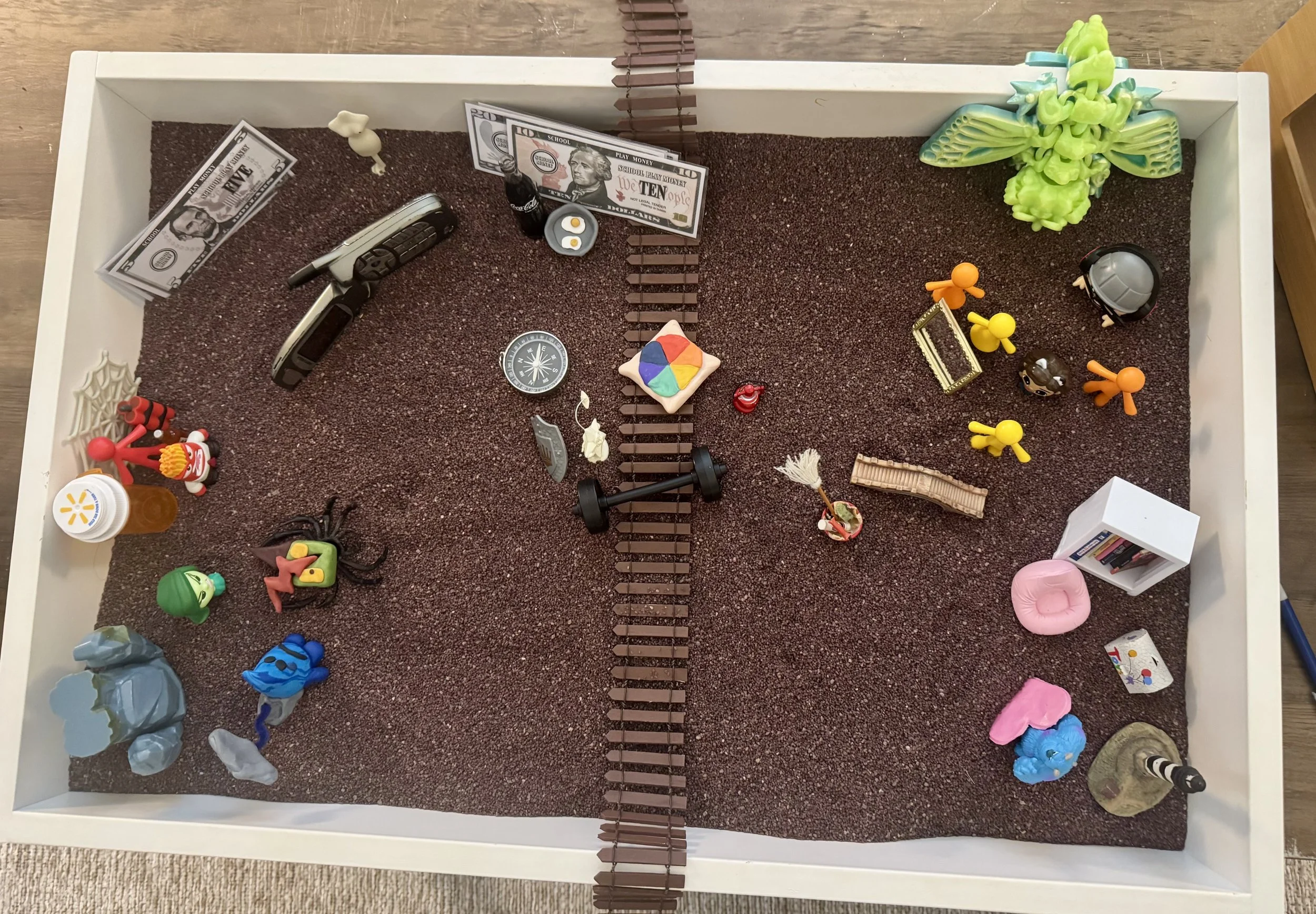
Sandtray therapy is a powerful therapeutic technique that gives an individual—children, teens, and adults alike, a creative, nonverbal way to process their inner world. Using a tray of sand and a wide selection of miniature figures, clients create scenes or stories that symbolize their thoughts, feelings, and relationships. The therapist observes and gently guides the process, helping clients explore what their sand worlds represent and how these insights connect to their real-life challenges. Sandtray therapy can foster emotional regulation, healing from trauma, improved self-expression, and deeper self-understanding. Many clients find it especially freeing because they don’t have to find the ‘right words’—the sand does the talking for them.


Creative Expression in Therapy
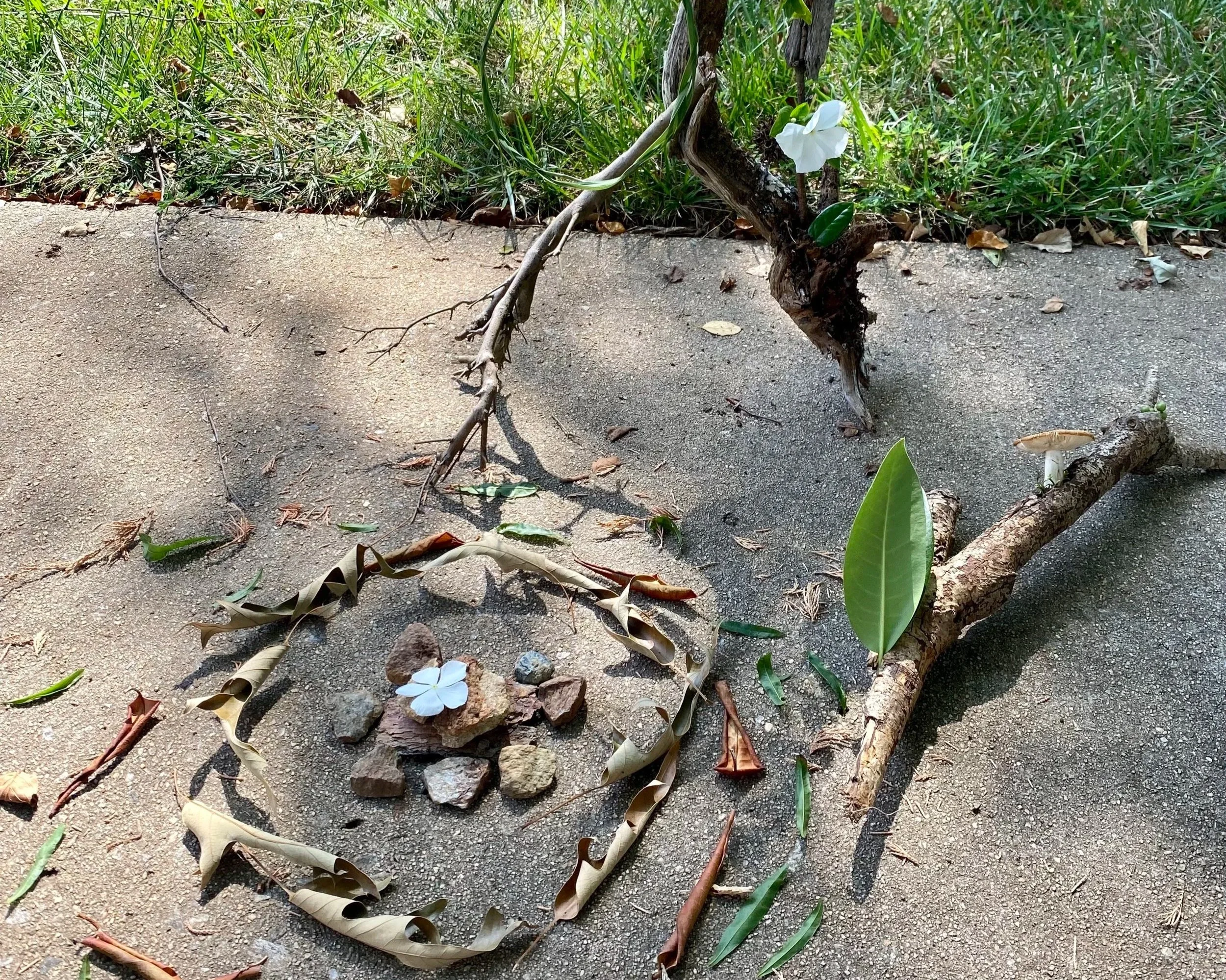
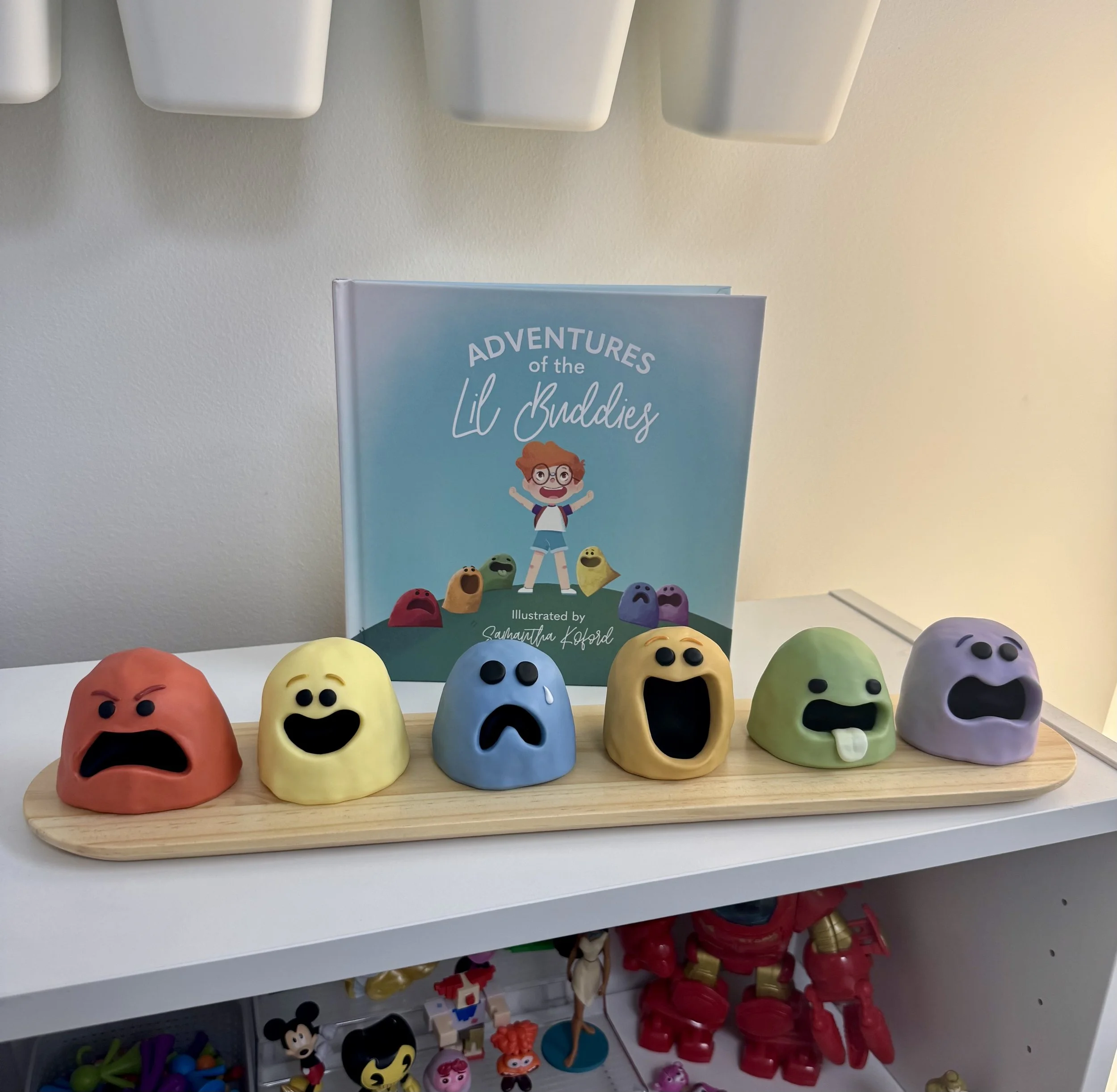
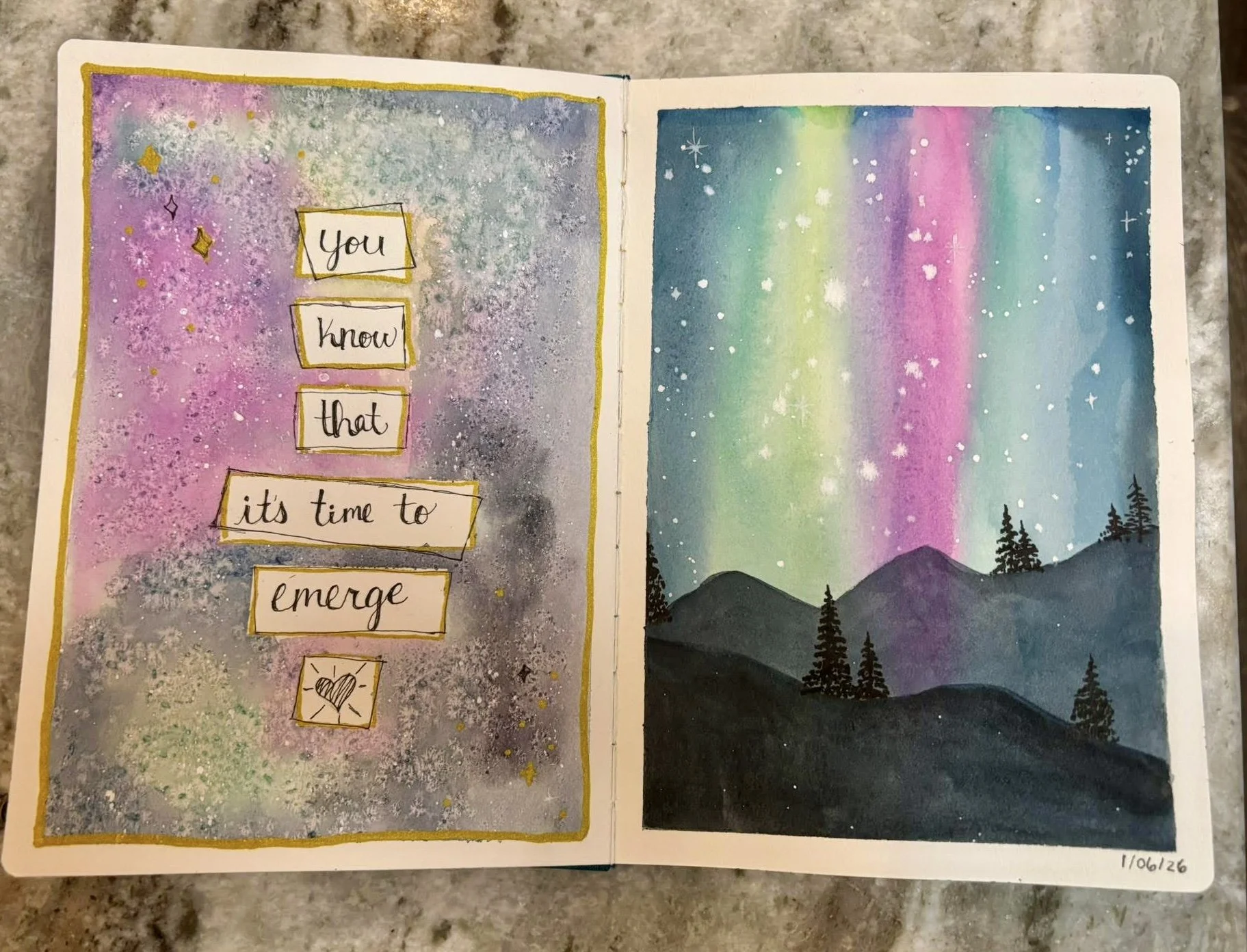
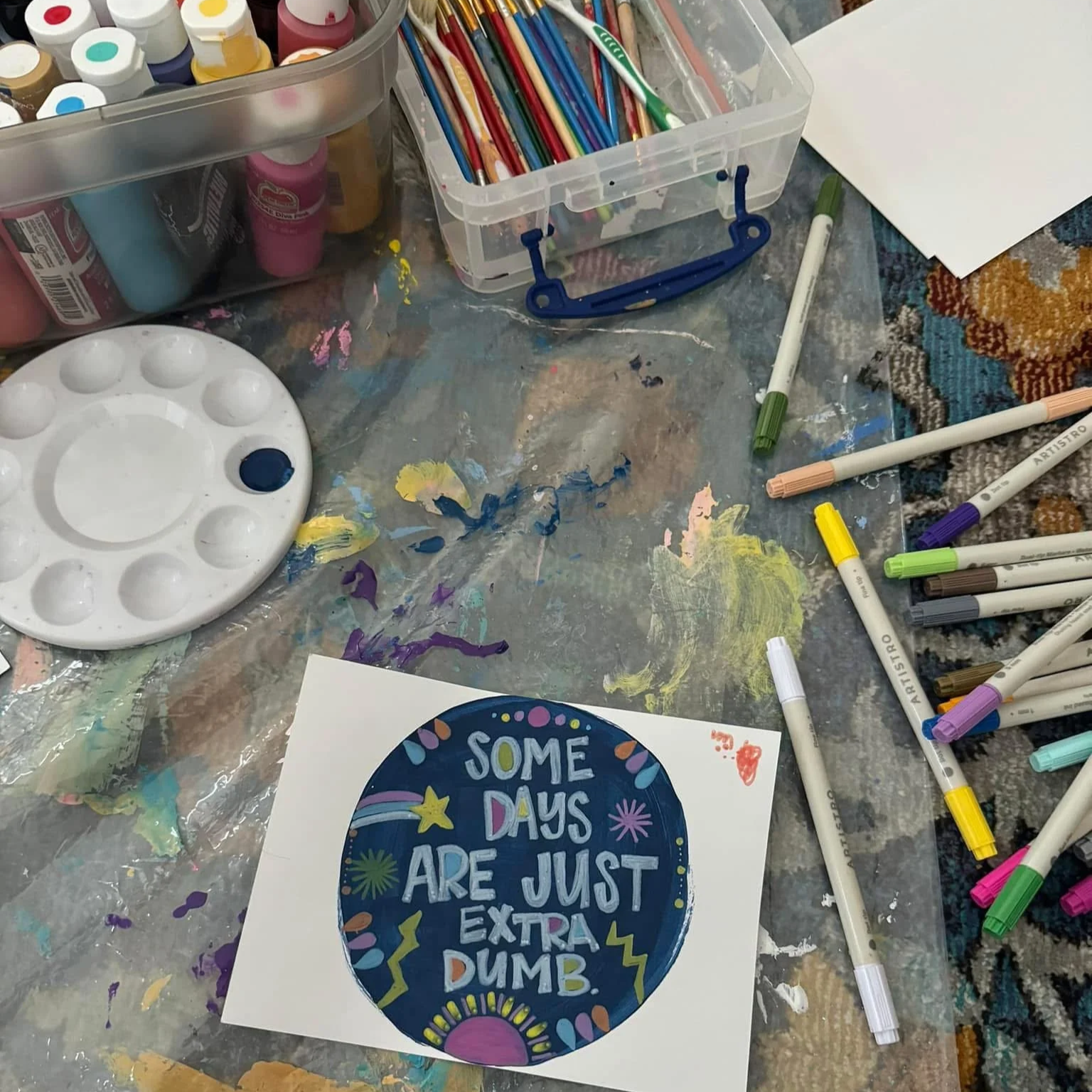
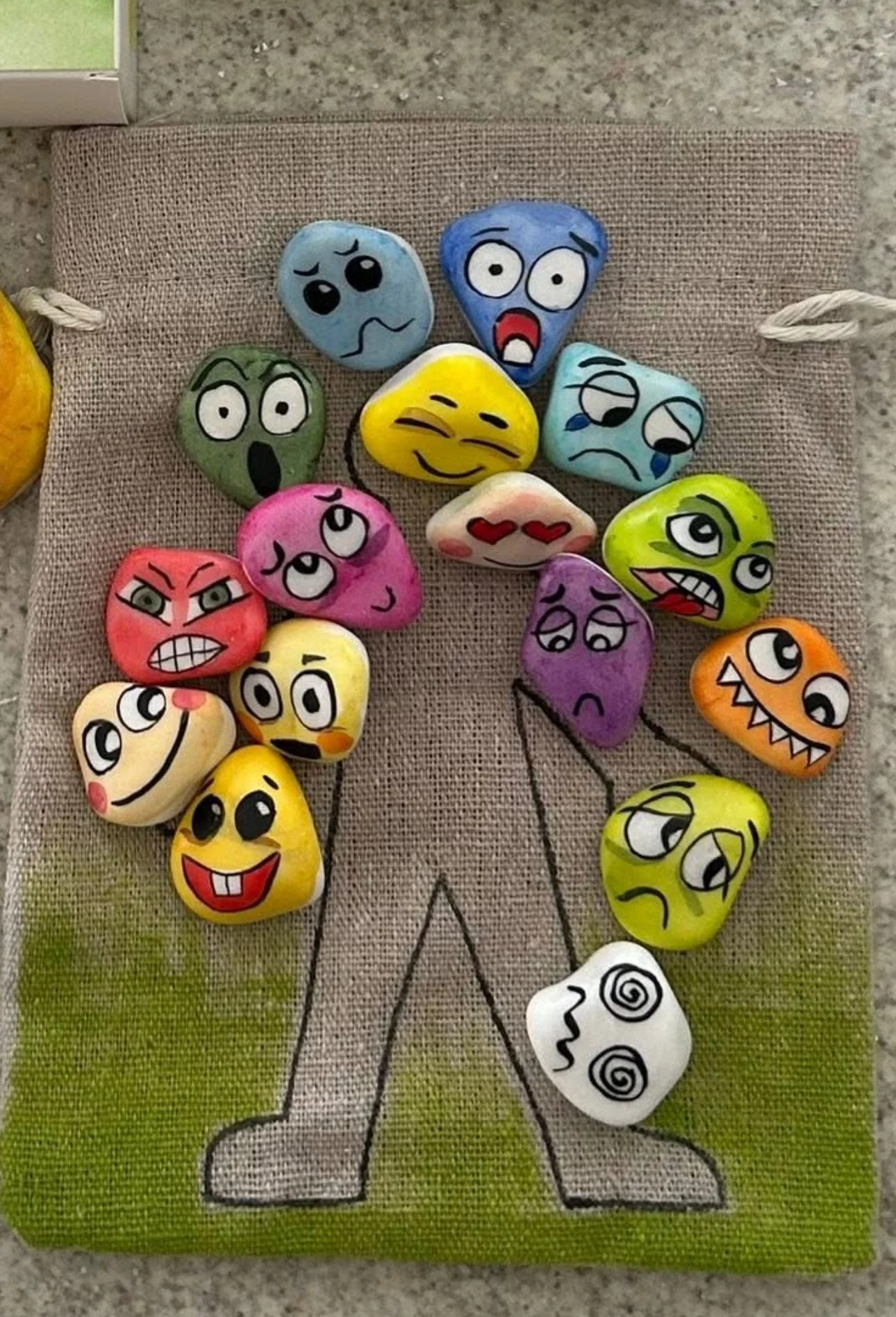
Creative expression is woven throughout my work as a way to help clients access emotions, stories, and strengths that may not always surface through words alone. Through activities like collaging, role play, painting, writing, and working with materials like Play-Doh, clients are invited to explore their inner world in a hands-on, meaningful way. These experiences can reduce pressure, increase emotional safety, and open new pathways for insight, regulation, and healing. Whether we’re externalizing anxiety through art, practicing new responses through role play, or giving shape to feelings through creative materials, this approach allows therapy to feel both deeply impactful and accessible — especially for children, teens, and those who benefit from learning and processing beyond traditional talk therapy.





My loves…





Things I’ve checked off my bucket list…